In chapter 5 of Gauntlett’s book he talks about Anthony Giddens’s perspective on identity. Giddens says that there are boundaries in a society, but in the world we live in today these boundaries are to be crossed freely. Media do not just reflect the social world, but contribute to it’s shape, (98). The things we buy to ‘express’ ourselves impacts the way we think about ourselves, (102). We then develop “lifestyles” that make it easier to make a self. These lifestyles can come from all different places in media.
http://www.youtube.com/watch?v=dyMSSe7cOvA
I started thinking where we get our lifestyles in the media. I think it's in advertising not the actual programing we want. The characters in film and television are mostly presented to be people who we should only really identify with on some emotional level. The people in ads are the ones we are directly presented to look like. Obviously. The more I see myself or something good in a person in an ad the more I think the product is something I should have, and or that's what I should be like.
This commercial doesn't necessarily depict a certain lifestyle, but it definitely builds on this sense of male self. This idea that I should be hip, I guess, and use words like dude as a main form of expression. Whether I buy the product doesn't matter in the end. If I do I buy it then I buy into the image that is being portrayed even more, but even if I don't buy it I still probably relate to it in some way. I don't know anyone near my age who has never said dude. Constant advertisements help shape what I do and don't identify with. Because I find the ad funny it conditions me to continue to use that slang so I can find that same humor in my own life that I relate to.
Wednesday, September 24, 2008

Tuesday, September 23, 2008
XXX Rock
In chapter 4 of Media, Gender, and Identity Gauntlett discusses gender in the media. Representations of gender on television with shows like Sex and the City. Masculinity is being redefined as being more loving as apposed to the total action hero, and women are getting tougher roles. Things are changing for gender representations. Representations of sexuality in gay and lesbian characters have also grown, but not as much.

tv.com
The show 30 Rock is great current example of gender representation. The main character of the show is played by Tina Fey. It is one of the few network television shows that feature a woman as the main character. It is even rarer because the show is a comedy and she doesn’t play a house wife. On top of all that the show is actually good. It’s my favorite comedy on TV, and it just won the Emmy for best comedy for the second year in a row as well as Emmys for writing and acting both going to Tina Fey.
Tina Fey’s character isn’t the perfect role model for gender representation. While she is unique she still struggles often with her looks and whether or not she is going to ever get married. These are problems that a male character might not deal with as often. I don’t think that is a bad thing though. Her character deals with these like real problems and the outcome is genuine. Her character went out of her way of what may have been expected of her as a woman to become a successful TV writer instead of settling for marriage. In many ways I think this is better than ignoring these clear issues. I think it helps representation much more to see a character deal with and overcome issues facing many women instead of pretending these issues are too weak for women.

tv.com
The show 30 Rock is great current example of gender representation. The main character of the show is played by Tina Fey. It is one of the few network television shows that feature a woman as the main character. It is even rarer because the show is a comedy and she doesn’t play a house wife. On top of all that the show is actually good. It’s my favorite comedy on TV, and it just won the Emmy for best comedy for the second year in a row as well as Emmys for writing and acting both going to Tina Fey.
Tina Fey’s character isn’t the perfect role model for gender representation. While she is unique she still struggles often with her looks and whether or not she is going to ever get married. These are problems that a male character might not deal with as often. I don’t think that is a bad thing though. Her character deals with these like real problems and the outcome is genuine. Her character went out of her way of what may have been expected of her as a woman to become a successful TV writer instead of settling for marriage. In many ways I think this is better than ignoring these clear issues. I think it helps representation much more to see a character deal with and overcome issues facing many women instead of pretending these issues are too weak for women.
the big ooooooooooooooooOoooooo
In Liesbet van Zoonen’s article, Feminist Perspectives on the Media, Liesbet talks about different forms of feminism. Liberal feminism strives for equality in things such as equal positions in society and entering male dominated work fields. It works under the idea that women are the same as men but not equal now. In radical feminism the goal is to create their own media because all media now is no good because is was made by men. It works under the idea that women are different than men but not equal now. Social feminism wants to both produce new media and reform the old with class in mind.

prnewser.wordpress.com
Disclaimer; this is probably going to sound sexist. One thing the article talks about in most of the forms of media is women creating their own media. I’m going to be honest. I don’t know what that means. I found this idea interesting. I guess it means Oprah. That sounds stupid, but it is true. She owns the production company that makes her show as well as Dr. Phil and Rachel Ray’s talk shows.
I think Oprah is a combination of liberal and radical feminism. Her connection to radical feminism is that what she makes is her own. A problem with that is that most of the time it’s connected to OPRAH and not women. She is really more of a liberal feminist because it looks like she only really strives for some sort of equality if anything at all. I wouldn’t say she is a social feminist. Sure, she can be marketed to women from all classes, but with all of her different products it’s almost assumed that the consumer is middle to upper class. I think she celebrates women’s differences in the radical ideology, but the difference she creates ends up looking like a tweaked liberal feminism.

prnewser.wordpress.com
Disclaimer; this is probably going to sound sexist. One thing the article talks about in most of the forms of media is women creating their own media. I’m going to be honest. I don’t know what that means. I found this idea interesting. I guess it means Oprah. That sounds stupid, but it is true. She owns the production company that makes her show as well as Dr. Phil and Rachel Ray’s talk shows.
I think Oprah is a combination of liberal and radical feminism. Her connection to radical feminism is that what she makes is her own. A problem with that is that most of the time it’s connected to OPRAH and not women. She is really more of a liberal feminist because it looks like she only really strives for some sort of equality if anything at all. I wouldn’t say she is a social feminist. Sure, she can be marketed to women from all classes, but with all of her different products it’s almost assumed that the consumer is middle to upper class. I think she celebrates women’s differences in the radical ideology, but the difference she creates ends up looking like a tweaked liberal feminism.
Tuesday, September 16, 2008
THE GAUNTLET! (pt 1)
In chapter one, the introduction, to David Gauntlett’s Media, Gender, and Identity he lays out the different topics covered in the book as well as how it is written. He says that we are influenced my media in some way just because of the constant intake we get. Men and women are for the most part equal today, but traditional attitudes still exist. He talks about how men are not necessarily in an identity crisis, but their roles are just different. Femininity is less present, and it’s often exploited. Sexual identity is less equal than gender, but it has been gaining ground in society. He then outlines the book, and says that the book doesn’t criticize texts as much as it analyzes how they affect our identities.
In chapter two, Gauntlett talks about different arguments on mass media. The first was on the production of media. Theodor Adorno agued that media is not influenced by culture, and that there is little range in the culture forms we watch. John Fiske’s point is the exact opposite. He says that we make the culture, and that the culture industry makes what they think we will take. Gauntlett then talks about the problems of media effects such as the studies done on media effects are done in an artificial setting not allowing one hundred percent accuracy. He then talks about gender identity and gender schema. This is when a person identifies with a gender, and then they seek the correct masculine or feminine response.

newsday.com
I hate to sound like this elitist "butt," but this is something I really don't understand. I didn't necessarily agree with everything Theodor Adorno had to say, but I strongly agree with him in respect to the music industry. There might be artists with political ideas or whatever, but that gets outshined when they pay their profits to their honcho record labels. The variety offered is neat and prepackaged. In an art that just needs to be the musicians why are there so many other people involved looking to earn money? I would find it hard to argue that the culture dictates the music culture. Whatever is out there is strung through the wringer to look like everything else.
This example is the band My Chemical Romance. They are a punkish band signed to Warner Bros records. Within the punk scene they aren't recognized as being anything, but outside of it they are one of the most engaging punk bands in the industry.
I think this is more than just stubbornness. When there are loads of bands like My Chemical Romance that no one within the scene recognizes aren't they on to something. There is something fake in the industry that Adorno talks about, and it's being sniffed out. I love when people look at bands like My Chemical Romance and think punk is dead. It's not dead it just isn't apart of that industry.
In chapter two, Gauntlett talks about different arguments on mass media. The first was on the production of media. Theodor Adorno agued that media is not influenced by culture, and that there is little range in the culture forms we watch. John Fiske’s point is the exact opposite. He says that we make the culture, and that the culture industry makes what they think we will take. Gauntlett then talks about the problems of media effects such as the studies done on media effects are done in an artificial setting not allowing one hundred percent accuracy. He then talks about gender identity and gender schema. This is when a person identifies with a gender, and then they seek the correct masculine or feminine response.

newsday.com
I hate to sound like this elitist "butt," but this is something I really don't understand. I didn't necessarily agree with everything Theodor Adorno had to say, but I strongly agree with him in respect to the music industry. There might be artists with political ideas or whatever, but that gets outshined when they pay their profits to their honcho record labels. The variety offered is neat and prepackaged. In an art that just needs to be the musicians why are there so many other people involved looking to earn money? I would find it hard to argue that the culture dictates the music culture. Whatever is out there is strung through the wringer to look like everything else.
This example is the band My Chemical Romance. They are a punkish band signed to Warner Bros records. Within the punk scene they aren't recognized as being anything, but outside of it they are one of the most engaging punk bands in the industry.
I think this is more than just stubbornness. When there are loads of bands like My Chemical Romance that no one within the scene recognizes aren't they on to something. There is something fake in the industry that Adorno talks about, and it's being sniffed out. I love when people look at bands like My Chemical Romance and think punk is dead. It's not dead it just isn't apart of that industry.
Thursday, September 11, 2008
...lull...
"Hegemony is the power or dominance that one social group holds over others,"(61). The powerful are using the media to enforce their ideological hegemony. People are governed by rules that seem in their favor when they really don't. Media's constant reproducing of a product in many forms is another example of hegemony. People sometimes have an ideological resistance the the hegemony creating a counter-hegemonic view to the powers in charge.

theamericanview.com
Something that conservative media do is push the fact that they are pro-life or at least pro-family. This was a huge part of president Bush's identity as a candidate. It helps hold a conservative hegemony because some people will vote one hundred percent based on whether a candidate is pro-life. I know because I have met them. My eleventh grade Sunday school teacher once spent an entire period together arguing that is how we should decide our vote. So people of all classes who deeply share this view will vote for them no matter what. The person in power is rarely, if ever, making pro-life related decisions, and then the decisions they do make don't necessarily benefit the people. I think some people have caught on to this, like my mom, but others will never give up and fight their uneducated battle.

theamericanview.com
Something that conservative media do is push the fact that they are pro-life or at least pro-family. This was a huge part of president Bush's identity as a candidate. It helps hold a conservative hegemony because some people will vote one hundred percent based on whether a candidate is pro-life. I know because I have met them. My eleventh grade Sunday school teacher once spent an entire period together arguing that is how we should decide our vote. So people of all classes who deeply share this view will vote for them no matter what. The person in power is rarely, if ever, making pro-life related decisions, and then the decisions they do make don't necessarily benefit the people. I think some people have caught on to this, like my mom, but others will never give up and fight their uneducated battle.
Monday, September 8, 2008
sup doug?
In Douglas Kellner's article, "Cultural Studies, and Multiculturalism, and Media Culture," he talks about what cultural studies is and how he thinks it needs to be done (I know). He defines cultural studies in this quote, "Cultural Studies shows how media culture articulates the dominant values, political ideologies, and social developments and novelties of the era," p10). It is done though looking at the production and political economy, textual analysis, and audience reception and use of media culture. People need to know who make the media product and what their beliefs and motivations are, what the media product means both visually and in the text, and how the audience actually perceives and uses the media product. Kellner says that we need to use all three of these sides evenly and with a multicultural understanding. He thinks we need to do this so we aren't sucked into what media are trying to tell us, and so that we understand how to take different meanings from what we are shown.

I have chosen to look at EMI and EMI CMG . EMI is one of the major music companies in the music injustry. It has musicians such as Coldplay, Keith Urban, Iron Maiden, and Pink Floyd under one of it's many labels. EMI CMG is it's Christian division. It has artists such as Switchfoot, Starfield, Chris Tomlin, and many MANY more. I know that part of the article says to look at all three sides of cultural studies, but I think the second two get talked about enough.
In the music I listen to (mostly punk) do it yourself, or DIY, is a huge part of the scene. The main thought behind it is that you can make and distribute music on your own. There's no need to go to a major label and try to "make it". Music doesn't need to be commercial. Nor do you need to earn money for some record label CEO who doesn't care what your lyrics say. I would think this would be a similar sentiment in the Christian music scene, but it has bought into the idea of major labels just as bad as gangsta rappers. Why don't people realize what's happening? Why don't they release the music themselves? Nope, instead these artists can't wait to jump under the EMI umbrella. I can never know their true motivations, but to me it seems like a conflict of interests.
EMI CMG seems pretty proud that their CEO increased their sales from 30 million in 92 to 100 million in 04, it's in his bio on their page. Let's be optimistic and say that most of that is going to charity (though I doubt it). EMI is still getting a cut of that, and as a company they have no ties to Christianity. They are also in control of everything EMI CMG.
Artists need to be questioned. I'm sure a lot of them are good Christians, but why has it never occurred to them that they could start their own independent label. Then heads of the larger EMI company wouldn't be taking any of their money. Sure, money's not necessarily guaranteed, but who cares about money? Right?
If we're apart of Cultural Studies these problems need to be brought up. Yes, to artists and owners, but also when we're in the CD store. Are you alright with the idea of a major record label? Do these ethics fall in line with the textual analysis you think you're getting? Do you care?...I think those could be some telling answers.

I have chosen to look at EMI and EMI CMG . EMI is one of the major music companies in the music injustry. It has musicians such as Coldplay, Keith Urban, Iron Maiden, and Pink Floyd under one of it's many labels. EMI CMG is it's Christian division. It has artists such as Switchfoot, Starfield, Chris Tomlin, and many MANY more. I know that part of the article says to look at all three sides of cultural studies, but I think the second two get talked about enough.
In the music I listen to (mostly punk) do it yourself, or DIY, is a huge part of the scene. The main thought behind it is that you can make and distribute music on your own. There's no need to go to a major label and try to "make it". Music doesn't need to be commercial. Nor do you need to earn money for some record label CEO who doesn't care what your lyrics say. I would think this would be a similar sentiment in the Christian music scene, but it has bought into the idea of major labels just as bad as gangsta rappers. Why don't people realize what's happening? Why don't they release the music themselves? Nope, instead these artists can't wait to jump under the EMI umbrella. I can never know their true motivations, but to me it seems like a conflict of interests.
EMI CMG seems pretty proud that their CEO increased their sales from 30 million in 92 to 100 million in 04, it's in his bio on their page. Let's be optimistic and say that most of that is going to charity (though I doubt it). EMI is still getting a cut of that, and as a company they have no ties to Christianity. They are also in control of everything EMI CMG.
Artists need to be questioned. I'm sure a lot of them are good Christians, but why has it never occurred to them that they could start their own independent label. Then heads of the larger EMI company wouldn't be taking any of their money. Sure, money's not necessarily guaranteed, but who cares about money? Right?
If we're apart of Cultural Studies these problems need to be brought up. Yes, to artists and owners, but also when we're in the CD store. Are you alright with the idea of a major record label? Do these ethics fall in line with the textual analysis you think you're getting? Do you care?...I think those could be some telling answers.
Wednesday, September 3, 2008
Disney...dun dun dun!
In Henry A. Giroux's article, Are Disney Movies Good For Your Kids?, he talks about the terrible corporation that is Disney. He talks about Disney's "golden image" on the outside, but also it's profit oriented inside that has made things like Celebration, what turned out to be a "community for largely privileged whites,"(167). Disney's movies, though Oscar winning and full of excellent music, are full of weak and anatomically unrealistic women, dominating male figures, and carelessly created racist caricatures. Giroux talks about how this needs to be addressed to both our children and ourselves. We need to be aware of the power of Disney and the messages it gives. These films need to be analyzed critically even though they are kids movies. Parents then need to talk to the kids and understand what they think about the movies. He also says that Disney can't be viewed as two different companies. It needs to be seen as one both corporate and entertaining, and we need to open to challenging it if needed.
 digitalwriting.pbwiki.com
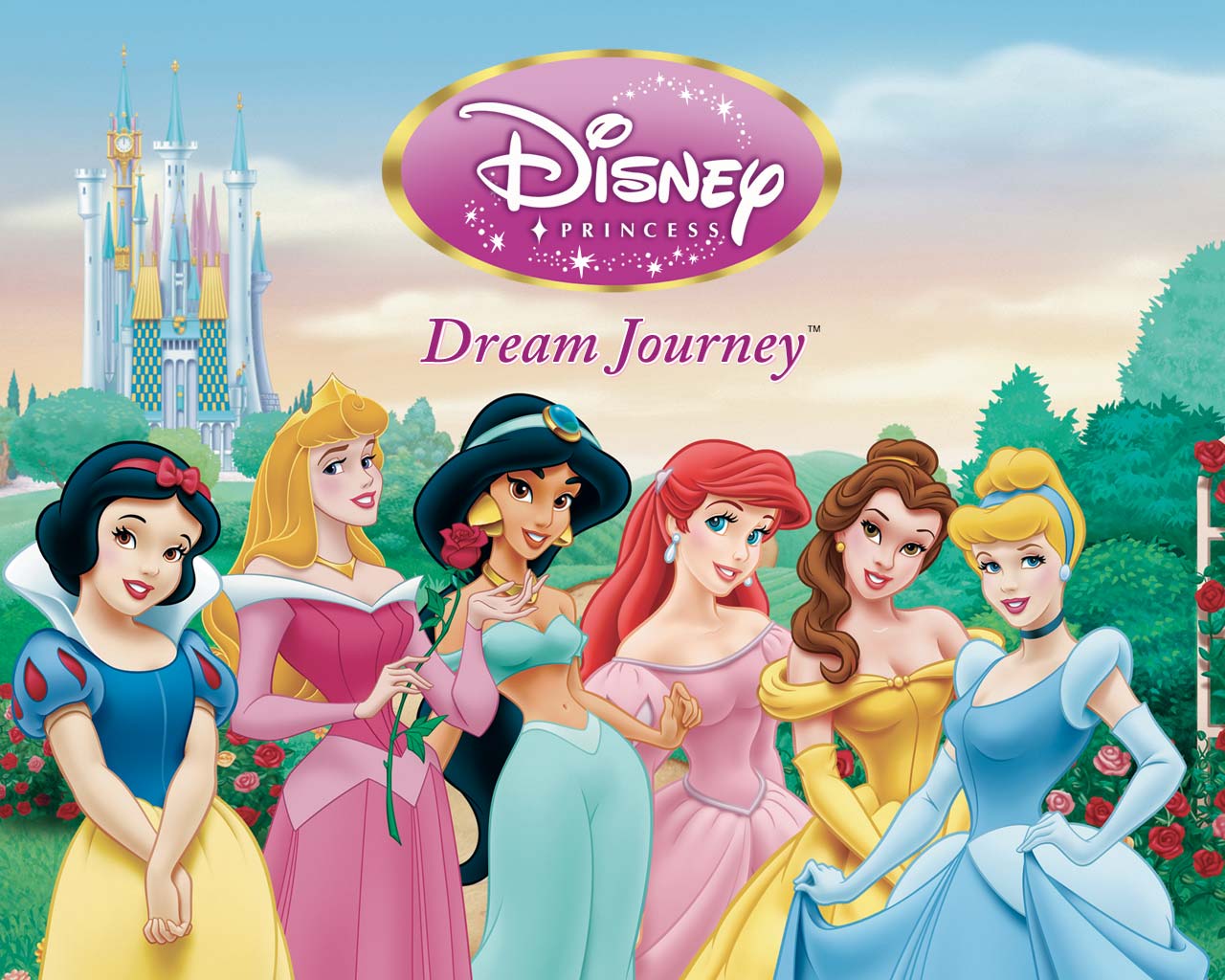
Not only does Disney market the toys for their individual movies, but they also find new ways to market them. They have all sorts new merchandise for the princesses, some of which are now older than seventy, yikes! I agree with Giroux that these princesses are a terrible representation of women. They listen to their dominating father or chase handsome princes. Even if they were perfect role models for behavior their appearance is ridiculous. It's like women can't succeed unless they're not only smart, but are gorgeous with an hourglass size zero waist to boot.
This wouldn't really upset me if I didn't see it's effects first hand at the kids shoe store I work at. Normally I would think that little girls are getting a mix of images with the combination of school, family, and media. That isn't the case with some families. At the kids shoe store I work at little girls come in who fit the princess image perfectly. They want fancy shoes and an Ariel sticker to match their Cinderella t-shirt. The parents couldn't care less. They're usually similarly too caught up in how they look to think anything is wrong. I think it's foolish to say that there's no harm done. Parents don't always think they need to be accountable for this. I think the least Disney could do is to put some of these aging princesses in the "Disney Vault" for good. Disney will do what it can to keep squeezing all the money from this established gold mine, but I think it would be a very responsible move to stop any new merchandise. Thus, ending the bombardment little girls get from these "Dream Journey" princesses.
 digitalwriting.pbwiki.com
Not only does Disney market the toys for their individual movies, but they also find new ways to market them. They have all sorts new merchandise for the princesses, some of which are now older than seventy, yikes! I agree with Giroux that these princesses are a terrible representation of women. They listen to their dominating father or chase handsome princes. Even if they were perfect role models for behavior their appearance is ridiculous. It's like women can't succeed unless they're not only smart, but are gorgeous with an hourglass size zero waist to boot.
This wouldn't really upset me if I didn't see it's effects first hand at the kids shoe store I work at. Normally I would think that little girls are getting a mix of images with the combination of school, family, and media. That isn't the case with some families. At the kids shoe store I work at little girls come in who fit the princess image perfectly. They want fancy shoes and an Ariel sticker to match their Cinderella t-shirt. The parents couldn't care less. They're usually similarly too caught up in how they look to think anything is wrong. I think it's foolish to say that there's no harm done. Parents don't always think they need to be accountable for this. I think the least Disney could do is to put some of these aging princesses in the "Disney Vault" for good. Disney will do what it can to keep squeezing all the money from this established gold mine, but I think it would be a very responsible move to stop any new merchandise. Thus, ending the bombardment little girls get from these "Dream Journey" princesses.
Tuesday, September 2, 2008
dick dyer
Stereotypes are characteristics we use to distinguish different groups of people. They define them and don't really change or develop. People with a stereotype are shown in the same way. This stereotype creates a boundary between them and everyone else even though the two sides are more alike than different.
In this episode of Seinfeld ,Jerry has trouble dealing with very typical stereotypes of Native Americans while trying to date Elaine's Native American friend. Yes, they're pretty racist, but they're point is distinguish Native Americans from other people. The irony is that the Native American woman isn't presented as different. So these stereotypes only hurt Jerry's chances.
in case that link doesn't work
http://video.google.com/videoplay?docid=963060105002090531&ei=s0G9SNzIOZDYqAK9yqH_Dg&q=seinfeld+indian&vt=lf&hl=en
In this episode of Seinfeld ,Jerry has trouble dealing with very typical stereotypes of Native Americans while trying to date Elaine's Native American friend. Yes, they're pretty racist, but they're point is distinguish Native Americans from other people. The irony is that the Native American woman isn't presented as different. So these stereotypes only hurt Jerry's chances.
in case that link doesn't work
http://video.google.com/videoplay?docid=963060105002090531&ei=s0G9SNzIOZDYqAK9yqH_Dg&q=seinfeld+indian&vt=lf&hl=en
Monday, September 1, 2008
GOOOOOOOOOOORham
Stereotypes are a schema (or structures of definition) for people we perceive as belonging to a social group, (15). We can suppress these judgments, and our suppression is usually correlated to our own prejudice. We also attribute stereotypes based on “internal” or “external” causes within “ingroups” and “outgroups”. In media the way we are fed a story effects our perception and stereotypes. The more we are fed stereotypes, which are usually negative, the more we actually believe them and use them.
wasn't positive on how to do this so here's the link to youtube.....
This whole series to me seems pointless. Fox has taken a documentary on how radical Muslims would like to kill Americans and chosen to highlight it. The film builds our stereotypes, and it tells us to second guess ourselves when we think try to think positively about the situation. To be honest I still don’t believe that the radicals are insane ravenous murderers. This film builds that stereotype. It does so whether the Muslim is radical or not because there is next to no discussion on how most Muslims (especially in the
Subscribe to:
Comments (Atom)